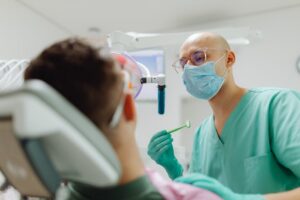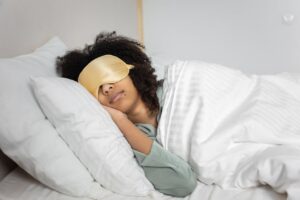
Have you ever nudged your partner in the middle of the night because their snoring just won’t quit, or maybe you’re worried about your own noisy nights? I’m Dr. Geoffrey Skinner from Hillsboro Dental Excellence, and you’d be surprised how often folks ask – “Is it just snoring, or is something more serious going on when I sleep?” Understanding these differences isn’t just a matter of comfort, it’s about your health and even your future well-being.
Snoring vs Sleep Apnea: What’s Going On While You Sleep?
Snoring itself is what happens when the air you breathe rattles past the relaxed soft tissue in your throat, making that familiar sound. For many, snoring is just background noise – nothing to worry about. But, it isn’t always that simple.
If your snores are particularly loud or irregular, or you’ve been told you stop breathing at night, we might be looking at something called sleep apnea. Simply put, sleep apnea is when your airway briefly closes off, pausing your breathing for ten seconds or more – sometimes without you even knowing. According to the American Medical Association, snoring is just noise, but sleep apnea is an actual interruption in breathing.
Telltale Signs: Is It Snoring or Something Deeper?
So how can you spot the difference? Here’s a quick breakdown you can keep in mind:
- Snoring: Noisy, but breathing usually continues steadily.
- Sleep Apnea: Noticeable pauses in breathing, sometimes with choking or gasping. You might wake up feeling like you’re catching your breath, or your partner might notice it before you do.
About half of folks who snore loudly may actually have obstructive sleep apnea, notes SleepApnea.org. Here are a few warning signs you should pay close attention to:
- Persistent, loud snoring night after night
- Feeling exhausted all day, even if you think you got enough sleep
- Morning headaches or a dry mouth
- Episodes where you stop breathing, spotted by your bed partner
- Choking, gasping, or sudden snorts during the night
Want a detailed list of what to watch for? Check out our full guide on the key symptoms and early warning signs of sleep apnea on our blog.
Why Should You Care About Sleep Apnea?
You might be thinking, “It’s just snoring. What’s the harm?” Here’s where it gets serious – sleep apnea is tied to a much higher risk of medical issues like:
- High blood pressure
- Heart trouble
- Stroke
- Type 2 diabetes
- Weakened immune system
When your airway closes off, your oxygen levels dip and your heart has to work overtime. UNC Health has a helpful breakdown of just how widespread the risks can be.
What Does Sleep Apnea Actually Sound Like?
It’s not always about how loud the noise is. It’s the pattern that gives sleep apnea away. Your partner might hear stretches of silence (where you’re holding your breath without knowing), followed by a gasp, snort, or choking sound. This can play out over and over hundreds of times every night – sometimes the silence lasts more than a minute!
- Prolonged quiet (breath holding)
- Sudden choking or gasping
- Loud snort as you start breathing again
The team at Gateway Sleep and TMJ describes these cycles in detail, and from my experience, these patterns can be alarming for both you and anyone else in the bedroom.
How Do You Find Out for Sure?
Daytime sleepiness, trouble concentrating, or your loved ones flagging odd sleeping noises? It’s time to get checked, just in case. Diagnosing sleep issues may involve:
- An at-home sleep study to monitor your breathing and oxygen levels
- A more detailed overnight sleep analysis at a specialized clinic
If you catch yourself hesitating, Healthline encourages seeking a medical evaluation for loud, persistent snoring, especially when tied to other symptoms.
Your Options for Better Sleep
- If It’s Just Snoring:
- Shed a few extra pounds if you can
- Switch to sleeping on your side
- Try nasal strips or nose dilators
- If It’s Sleep Apnea:
- CPAP therapy (a gentle air pump for overnight support)
- Custom-fitted oral appliances – which I can personally help you with here at Hillsboro Dental Excellence
- Surgical options for the most stubborn cases
Treating sleep apnea isn’t just about a quieter night – it could save your life. We offer the latest in oral appliance therapy right here in our Hillsboro practice, working hand-in-hand with local sleep physicians when needed. If you want to learn more about how dentistry can support your sleep, read through our most recent posts.
FAQ: Sleep Apnea vs Snoring
- Can regular snoring develop into sleep apnea?
It’s not a simple upgrade – snoring by itself doesn’t cause apnea, but persistent, loud snoring is a big red flag, especially if you start noticing other warning signs. - How do I know my snoring is serious?
If it’s nightly, disruptive, and comes with fatigue, headaches, or someone witnessing you stop breathing, it’s time to seek advice. Our contact page has all the info you need to reach me directly. - Do those mouth devices actually help with sleep apnea?
Absolutely. I customize oral appliances here in the office, designed to keep your airway open and help you breathe easy overnight. Curious? Dive deeper into your dental options for sleep apnea on our service page. - Where should I turn for help in Hillsboro?
If you’re ready to take charge of your sleep, our team at Hillsboro Dental Excellence is here to guide you every step of the way – whether it’s answering questions, arranging a sleep study, or customizing your very own oral appliance.
Wrapping Up – Your Health Is Worth It
At the end of the day, don’t brush off loud snoring or unusual sleep patterns as just another nighttime nuisance. Sometimes, your body tries to whisper (or shout) out a warning. If you’re unsure, trust your instincts and reach out to our friendly staff at Hillsboro Dental Excellence. Your sleep – and your health – are too important to let slide.